🎧 Minna no Nihongo N5 Listening: How to Train Your Ears for the JLPT
🌸 Overview: The Secret to Real Japanese Is Listening
Mastering listening comprehension is just as crucial for JLPT N5 preparation as learning grammar and vocabulary by heart. One of the most reputable beginner textbooks in Japan, the Minna no Nihongo series, contains a comprehensive set of listening exercises that precisely correspond to the JLPT N5 level.
This tutorial will teach you how to use Minna no Nihongo for efficient listening practice, the best online resources to enhance your understanding, and tried-and-true methods to help you successfully pass the JLPT N5 listening portion.

visit here:
📘 What is Minna no Nihongo N5?
Minna no Nihongo (みんなの日本語 – “Japanese for Everyone”) is one of the most popular textbooks for Japanese learners. The N5 version concentrates on:
Simple grammatical patterns
Common vocabulary (800–1000 words)
Practice speaking and listening
Every chapter includes a listening segment where you may hear everyday conversations in natural Japanese, which is the same type of Japanese used on the JLPT N5 exam.
🎧 The Significance of Listening Practice for JLPT N5
In the hearing portion of the JLPT N5, you are tested on your comprehension of:
Brief conversations in everyday life
Simple requests, notifications, and instructions
| JLPT N5 Listening Details | Description |
|---|
| Duration | About 30 minutes |
| Questions | ~24 |
| Difficulty | Slow, clear Japanese |
| Topics | Shopping, directions, greetings, daily routines |
🔊 How to Use Minna no Nihongo for Listening Practice
🗂️ 1. Listen Before You Read
When starting a new chapter, listen to the audio before opening the book. Try to guess the meaning from context, intonation, and familiar words.
✍️ 2. Read and Shadow
After listening, follow along with the textbook script and repeat each line aloud. This technique, called shadowing, improves pronunciation and rhythm.
⏪ 3. Replay and Focus on Details
Listen multiple times—once for meaning, again for sentence patterns, and finally for pitch accents or pauses.
🗣️ 4. Mix Passive and Active Listening
-
Passive: Play the CD/audio while commuting or cleaning.
-
Active: Pause after each line, repeat, and translate mentally.
🎧 Tip: Consistency beats intensity. 10 minutes of daily listening is more effective than 2 hours once a week.
🎯 How Minna no Nihongo Helps You Pass JLPT N5 Listening
✅ Familiar Audio Speed: Matches actual exam tempo
✅ Relevant Vocabulary: All words appear on N5 test lists
✅ Structured Lessons: Gradually increases difficulty
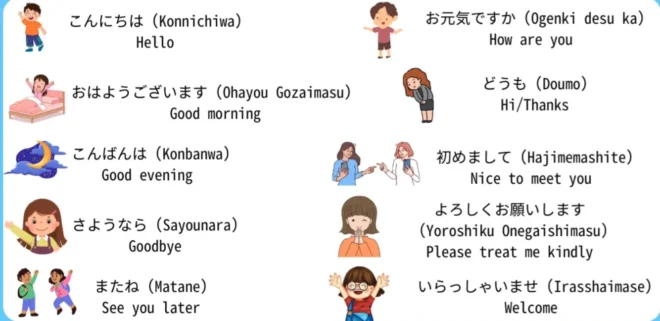
✅ Practical Contexts: Covers greetings, travel, shopping, and work