🇯🇵 JLPT N5 Study Guide: Complete Plan to Pass the Exam
🌸 Introduction: Your Journey to JLPT N5 Success Starts Here
JLPT N5 study guide. If you’re learning Japanese, the JLPT N5 (Japanese Language Proficiency Test) is your first official milestone. It proves your ability to understand basic Japanese grammar, vocabulary, and kanji—and it’s your gateway to higher levels like N4 and N3.
This JLPT N5 Study Guide gives you a step-by-step plan to prepare effectively, from understanding the exam structure to daily study schedules, resources, and smart JLPT N5 tips to ensure you pass on your first attempt.
🧩 Step 1: Understanding the JLPT N5 Exam Structure
Before you study, you must know what you’re studying for.
The JLPT N5 tests your ability to understand basic Japanese used in everyday life.
| Section | Skills Tested | Time | Questions |
|---|---|---|---|
| Language Knowledge (Vocabulary) | Reading words, kanji, kana | 20 minutes | ~35 |
| Language Knowledge (Grammar) & Reading | Grammar and short passages | 40 minutes | ~32 |
| Listening | Comprehension of basic conversations | 30 minutes | ~24 |
✅ Total Duration: Around 90 minutes
✅ Passing Score: Usually 80/180 points (varies yearly)
💡 Tip: You must pass both Language Knowledge and Listening sections individually — not just the total score.
🈶 Step 2: What You Need to Know for JLPT N5
🎓 Grammar (文法 – Bunpou)
You’ll learn around 100 basic grammar patterns.
Focus on:
-
Sentence structure (SOV order)
-
Particles (は, が, を, に, で, へ, と)
-
Adjectives (い and な forms)
-
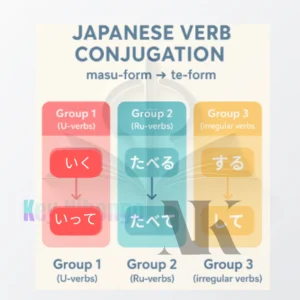
Verb conjugations (ます, て, た, ない forms)
-
Question forms (か, なん, どこ, いつ)
Example:
-
わたし は にほんご を べんきょうします。
→ I study Japanese.
🈳 Vocabulary (語彙 – Goi)
You’ll need about 800–1000 words.
Start with:
-
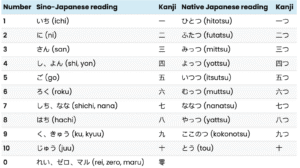
Numbers (1–100)
-
Days, months, time words
-
Family terms, daily actions, directions
-
Common verbs like たべる (to eat), みる (to see), いく (to go)
📘 Use flashcards daily — repetition builds long-term memory.
🈸 Kanji (漢字)
JLPT N5 includes about 100–120 basic kanji.
Examples include 日 (day/sun), 人 (person), 学 (study), 本 (book), and 月 (month/moon).
💡 Focus on kanji found in signs, menus, and textbooks — that’s what appears in the test.
🎧 Listening (聴解 – Choukai)
The listening section assesses your understanding of slow, clear, everyday Japanese.
✅ Focus on:
-
Greetings and daily conversations
-
Basic question/answer exchanges
-
Directions and short dialogues
🗣️ Listen to JapanesePod101, JLPT Sensei audio, or NHK Easy Japanese daily — even 15 minutes helps.
🕐 Step 3: Study Plan (4-Week JLPT N5 Preparation Schedule)
This study plan assumes 1–2 hours per day for one month before the exam. Adjust as needed for your pace.
Week 1: Foundation
-
Learn Hiragana & Katakana (if not yet)
-
Study 20–30 basic vocabulary words daily
-
Start grammar with は, を, に, and で
-
Watch beginner Japanese YouTube videos
Week 2: Grammar and Kanji
-
Learn 20 kanji (daily-use ones like 日, 月, 水, 木, 人, 学)
-
Practice verb conjugations (ます, て, た forms)
-
Listen to JLPT N5-level conversations
Week 3: Practice and Reading
-
Read short texts using your grammar
-
Write sentences daily (e.g., “きのう ほん を よみました。”)
-
Take one mini practice test
Week 4: Review and Mock Tests
-
Revise grammar notes and kanji list
-
Do 2 full-length mock exams
-
Focus on weak areas
-
Relax the day before the test
Also, visit here:
🧠 Step 4: Best JLPT N5 Study Resources
| Resource | Type | Why It’s Great |
|---|---|---|
| Genki I | Textbook | Structured grammar & practice |
| Minna no Nihongo I | Textbook | Standard for JLPT beginners |
| JLPT N5 Official Workbook (日本語能力試験公式問題集) | Practice | Uses real test questions |
| Tae Kim’s Grammar Guide | Online | Free, simple explanations |
| JLPT Sensei | Website | Organized grammar lists |
| Anki/Quizlet | Flashcards | Daily spaced repetition |
| NHK Easy Japanese | Listening | Real-life, slow-speed practice |
🎧 Mix reading, writing, and listening daily — it builds balanced fluency.
🗂️ Step 5: JLPT N5 Tips from Successful Learners
💬 1. Focus on Grammar First
Once you know sentence structure, vocabulary fits naturally.
🕰️ 2. Study in Short Bursts
20–30 minutes multiple times daily works better than long cramming.
🗣️ 3. Listen Every Day
Hearing natural rhythm helps during the listening test.
🧾 4. Take Practice Tests
Time yourself! You’ll improve both accuracy and confidence.
💪 5. Don’t Neglect Kanji
Even though N5 kanji is simple, it’s easy to mix up similar characters.
🧘 6. Rest Before Exam Day
A calm, rested mind recalls better than last-minute cramming.
🧾 Step 6: Sample JLPT N5 Practice Questions
📖 Vocabulary
Q: Choose the correct word:
学生は( )をよみます。
a. ごはん b. ほん c. みず
✅ Answer: b. ほん (book)
💬 Grammar
Q: わたしは あした にほん に( )ます。
a. いき b. いって c. いきます
✅ Answer: c. いきます (to go)
🎧 Listening
“きょう は あつい ですね。”
✅ Meaning: It’s hot today, isn’t it?
💡 Practice with sample audio to match pronunciation speed.
🕊️ Step 7: Common Mistakes to Avoid
| Mistake | Problem | Fix |
|---|---|---|
| Ignoring particles | They define meaning | Practice は, を, に daily |
| Skipping listening | Weak test performance | Listen 15 min/day |
| Not reviewing | Forgetting quickly | Review flashcards every 2 days |
| Rushing grammar | Confusion on the exam | Focus on 1–2 patterns/day |
🧭 Step 8: Day Before the Exam – What to Do
- Review only light notes (don’t cram).
- Sleep early and eat well.
- Prepare pencils, ID, and exam slip.
- Stay calm—JLPT N5 is meant for beginners!
🌸 Remember: the test checks consistency, not perfection.
🎓 Step 9: After the Exam—What’s Next?
After N5, aim for JLPT N4, which adds more kanji and conversational fluency.
Your N5 foundation will make that jump easy—you already know:
-
Verb forms
-
Core grammar
-
Listening patterns
🌺 Conclusion: You Can Pass the JLPT N5 with the Right Plan
Passing the JLPT N5 isn’t about talent—it’s about smart planning and daily practice.
This JLPT N5 study guide gives you the structure, tools, and motivation to study effectively.
💬 Learn a little every day, review often, and trust your progress — you will pass the JLPT N5 confidently.