Hiragana Mastery: The Ultimate Guide to Reading and Writing
Mastering hiragana is the first step towards realizing your dream of reading manga, anime subtitles, or Japanese signage in their original language.
The cornerstone of the Japanese language is Hiragana (ひらがな), which stands for all of the Japanese sounds. Even before knowing kanji, you will be able to read and pronounce any Japanese word once you have it!
Everything is covered in this guide, including what hiragana is, how to learn it quickly, and how to write it elegantly.
🧭 What Is Hiragana?
Hiragana is one of Japan’s three writing systems (alongside Katakana and Kanji).
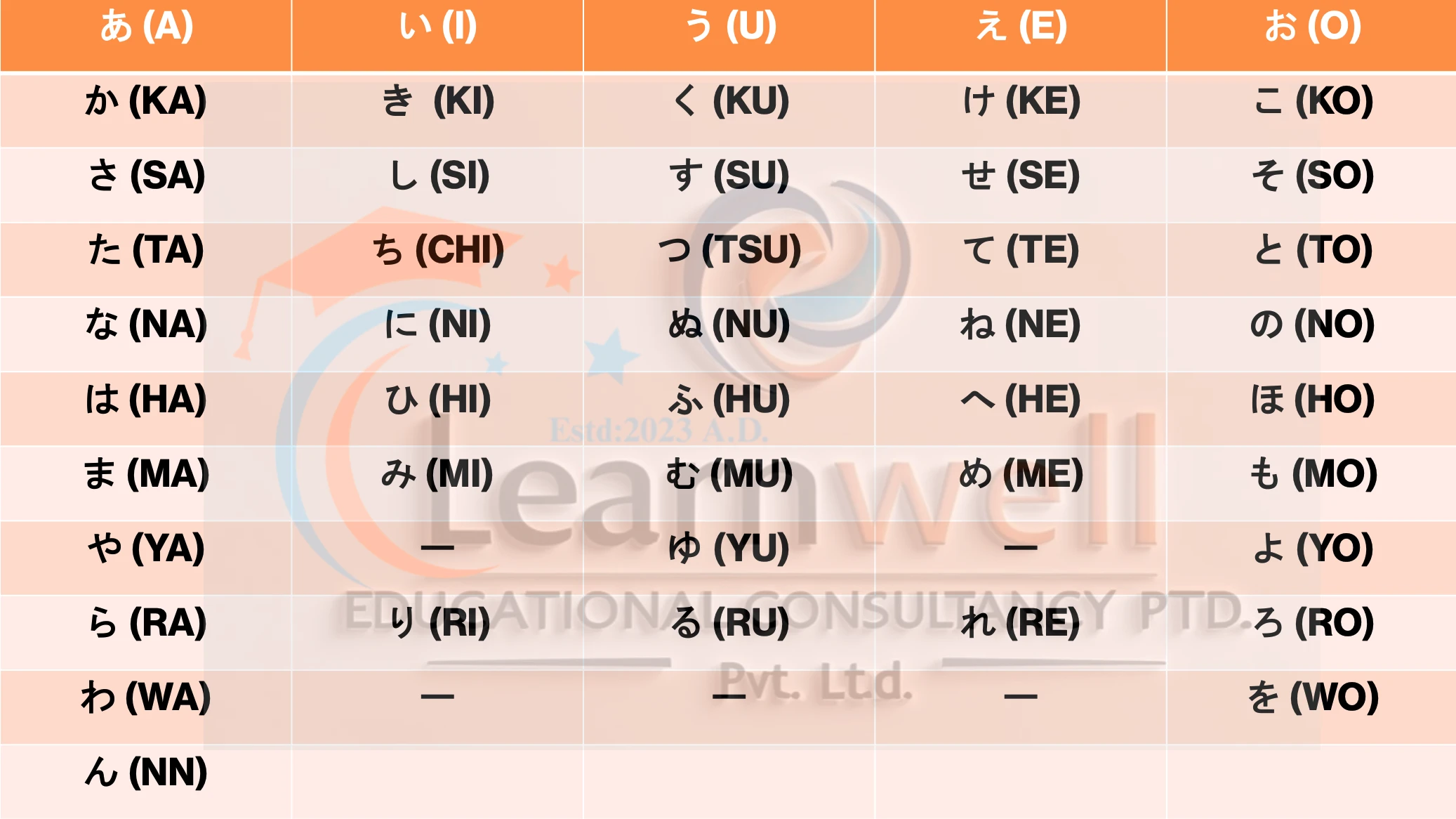
It consists of 46 basic characters, each representing a syllable.
| Vowels | A(あ) | I(い) | U(う) | E(え) | O(お) |
|---|---|---|---|---|---|
| K | か | き | く | け | こ |
| S | さ | し | す | せ | そ |
| T | た | ち | つ | て | と |
| N | な | に | ぬ | ね | の |
| H | は | ひ | ふ | へ | ほ |
| M | ま | み | む | め | も |
| Y | や | – | ゆ | – | よ |
| R | ら | り | る | れ | ろ |
| W | わ | – | – | – | を |
| N | ん |
👉 Fun fact: Every Japanese word can be written in hiragana—even without kanji.
🧠 Step 1: Learn the Logic Behind Hiragana
Hiragana represents phonetic syllables, not individual letters like English.
Each character = one sound, such as “ka,” “shi,” or “mu.”
Once you memorize the sound system, Japanese pronunciation becomes predictable and easy—no silent letters or tricky spelling rules!
✏️ Step 2: Learn to Write Hiragana Correctly
Writing improves memory and builds confidence.
🖋️ Tips for Writing:
-
Follow stroke order—Japanese writing has specific stroke rules (top to bottom, left to right).
-
Use grid paper (Genkouyoushi)—it helps with symmetry and proportion.
-
Practice daily for 15 minutes—repetition is key.
Recommended free practice sheets:
🎵 Step 3: Learn Pronunciation with Audio
Hiragana is easy to read, but you must learn to hear and speak it.
🔊 Try these tools:
-
LingoDeer App—perfect audio drills.
-
NHK Japanese Lessons – authentic Japanese pronunciation.
-
YouTube: Search “Hiragana Pronunciation Chart” for native audio examples. Key Nihongo
- japaneshub.com: Minna no Nihongo N5 Listening 1 to 25.
Repeat aloud daily—your tongue learns faster than your brain!
🧩 Step 4: Use Mnemonics to Memorize Fast
Mnemonics make memorization fun and visual.
Example:
-
し (shi) looks like a smiling face saying “she!”
-
ぬ (nu) looks like a noodle knot.
-
へ (he) looks like a hill— “hE hill.”
Use Tofugu’s Hiragana Mnemonic Chart—it’s one of the most popular learning tools worldwide.
💡 Step 5: Practice Reading Real Japanese
Once you’ve learned all 46 characters, practice reading short, simple sentences:
| Japanese | Romaji | English |
|---|---|---|
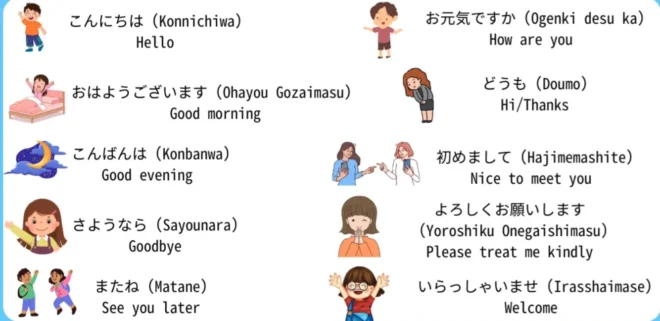
| こんにちは | konnichiwa | Hello |
| ありがとう | arigatou | Thank you |
| すし が すきです | sushi ga suki desu | I like sushi |
| わたし は がくせい です。 | watashi wa gakusei desu | I am a student |
✅ Pro Tip: Read children’s books, NHK Easy News, or Japanese flashcards daily.
🎯 Step 6: Combine Writing and Reading for Mastery
Mastery happens when you can read and write without hesitation.
Here’s a 7-day study plan to reach fluency with the Hiragana chart:
| Day | Goal | Focus |
|---|---|---|
| 1 | Vowels (あ〜お) | Pronunciation & tracing |
| 2 | K-row (か〜こ) | Mnemonics and writing |
| 3 | S-row (さ〜そ) | Listening practice |
| 4 | T/N rows | Reading exercises |
| 5 | H/M/Y rows | Flashcards |
| 6 | R/W/ん | Reading sentences |
| 7 | Review | Reading and Writing test |
🏆 Step 7: Test Yourself Regularly
Testing reinforces memory.
Try free online quizzes:
Set a 5-minute test goal every day—you’ll master all characters in a week or two!
📱 Step 8: Use the Right Apps to Stay Consistent
Here are the best apps for mastering hiragana fast:
| App | Best For | Platforms |
|---|---|---|
| LingoDeer | Complete beginner lessons | iOS / Android |
| Duolingo Japanese | Game-style learning | Web/Mobile |
| Anki | Long-term memory with flashcards | Desktop / Mobile |
| Kana Town | Writing & recognition | Android/iOS |
🌸 Step 9: Keep Motivation High
Hiragana is your first victory in Japanese learning.
Celebrate every milestone—every 5 characters learned is progress!
Join communities:
-
Reddit: r/LearnJapanese
-
Discord: Japanese Learners Hub
-
YouTube: Miku Real Japanese, Japanese Ammo with Misa
🧭 Step 10: What Comes After Hiragana?
Once you master Hiragana:
-
Move on to Katakana (foreign loan words).
-
Start learning basic kanji and grammar (Tae Kim’s Guide or Genki textbook).
-
Begin speaking daily—you’ll understand anime and conversations faster than you think!
🌸 Conclusion: Your First Step Toward Japanese Fluency
Mastering hiragana is more than just memorizing characters—it’s your first real connection with the Japanese language. Once you can read and write hiragana confidently, an entirely new world opens up: you’ll start recognizing words in anime, reading Japanese menus, and understanding how the language truly sounds.
Remember, every fluent speaker started exactly where you are now—from zero.
Consistency, curiosity, and small daily steps will carry you further than any shortcut ever could.
Keep practicing, celebrate your progress, and soon you’ll move on to Katakana, Kanji, and full Japanese fluency.
The hardest part is starting—and you’ve already done that. 🌟
✨ Stay motivated, stay curious, and let Hiragana be your gateway to Japan’s beautiful language and culture.